
What We’re Reading Lately

All 3 human members of our little family are readers, and as such, we LOVE talking about the books we’re currently reading and those that we’ve read and loved lately. My husband and I happen to have slightly different tastes in books, and my 14-month old loves pretty much everything with pictures and opportunities for us to add some theatrics…between the three of us, I hope you find some inspiration to try something new. If you have any more recommendations I’d absolutely love to hear them below!

I’ll start with me–I hesitate to name a favorite genre because I’ve learned that no matter how bonkers the story, it can still be an awesome read if it’s written well. My picks from the last few months are all really different, but that’s pretty indicative of my lineup in general:
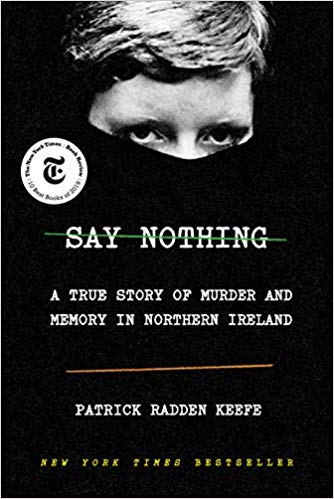
1.    Say Nothing. This is one of the best pieces of creative non-fiction I’ve ever read, period. It documents a series of events during the Troubles in Northern Ireland surrounding the murder of a woman named Jean McConville. Could not put it down.

2.    The Husband’s Secret. I love every single book by Lianne Moriarty (author of Big Little Lies). This one surrounds a bunch of people living in a tight knit community, the assorted secrets they keep from one another, and the brutal (and deadly!) consequences. So good.
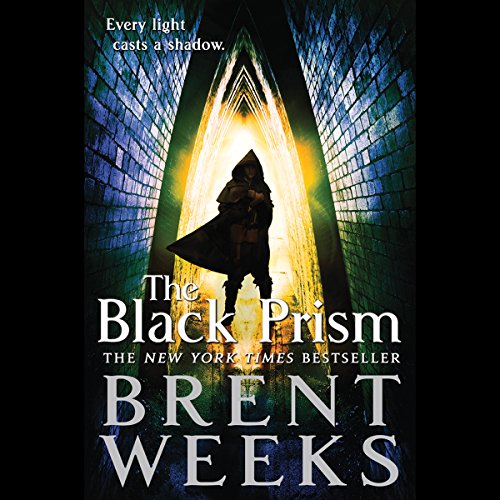
3.    The Black Prism. This is actually a re-read for me. It’s the first installment in the Lightbringer series, which I actually finished over Christmas break. It’s a steam-punky fantasy that takes place in a world where some people can harness light and create physical material. Even if you don’t think you’re into sci-fi/fantasy, you will love this book. I totally stan this series. The characters are great and it’s very well written. There’s a reason I’m re-reading this!

My husband is an avid fan of speculative fiction (sci-fi/fantasy/etc) a lot of the time, and his reading list recently certainly reflects this.
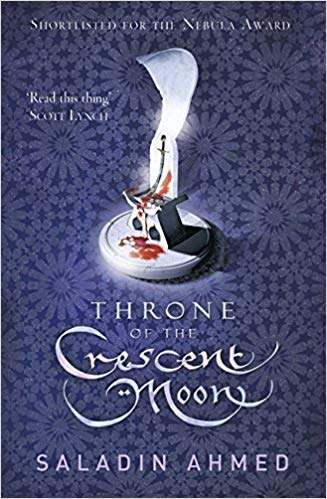
1.    Throne of the Crescent Moon. This is a fantasy novel by a Lebanese/Egyptian-American author. It follows an aging hunter of fantastical monsters as he embarks on a final quest. My husband raved about it and thought it was a great way to break out of Western fantasy scenarios and tropes by setting it in a Middle Eastern-inspired world.

2.    Morning Star. This is the third in the Red Rising series, which my husband loved. It takes place in a futuristic Martian society where people are divided into a sort of caste system based on colors. The series focuses on a young miner who joins a sort of terrorist group seeking to infiltrate the Golds, a ruling warrior class.

3.    The Girl Who Drank the Moon. This is actually YA but my husband still loved it. It’s about a village that must “sacrifice” a baby to a local witch every year. The story follows one of these children after she is accidentally given magical powers by the witch.

And finally my toddler! Aside from any magazine he can rip to shreds (gotta love cheap entertainment), these are what he’s really enjoyed in the last month or so…or at least what WE enjoy reading to him 😉
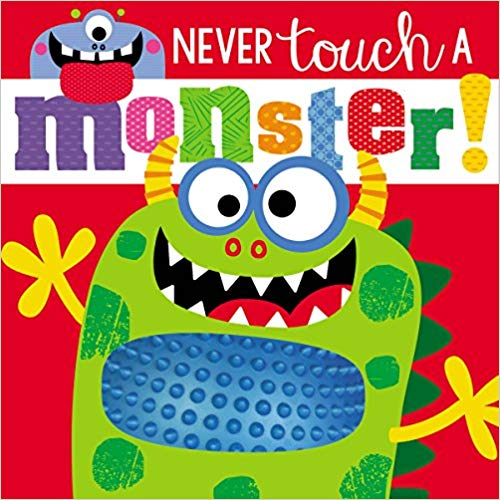
1.    Never Touch a Monster. I got this book as a baby shower gift. It’s adorable, has big, colorful pictures, and has lots of tactile stimulation on every page. This one probably elicits more theatrics from me that any other book we have. So fun!

2.    My Peekaboo Fun: Learning Words. This one is a simple premise—every page is a scene with a bunch of pictures and the answer to a question behind a flap. My son adores the flaps and the book itself is constructed well enough that none of them have broken or torn yet.

3.    Rocket Science for Babies. This is one of many books in the Baby University series. We rotate through them, but this one is fun because it’s got a rocket ship in it and apparently my kid likes rocket ships now. Will he actually become a rocket scientist some day? Who knows…but in the meantime I’m finally learning an embarrassing amount of actual physics from this book.

None of the above links are affiliate links. I am not making a dime off of this post–I just genuinely like sharing the things we love to read, and I hope you find some inspiration! I’d also love to hear from you! What are you (and your family!) reading these days?

All images via Amazon
My Kid is Teething and I’m Losing My Mind

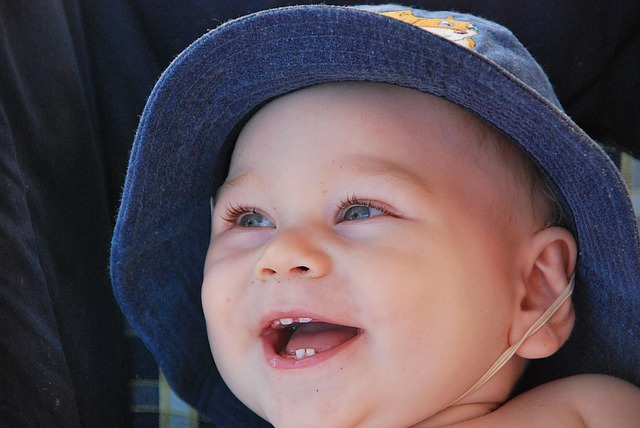
When he’s in pain, my kid has a uniquely horrendous ability to take is all down with him. When he’s teething, my heart goes out to the poor little dude, it really does—his mouth hurts, he can’t sleep, and half the time he’s got a low grade fever. But, damn…can you give the rest of us a break?

There are all kinds of remedies to ease the pain and suffering that comes when baby starts cutting those little teeth, but of course, when you’re in the thick of it you want to cut the shit and know what works and what doesn’t.

First, what works? (And more importantly, what’s safe?)

The very first thing I’ll tell you as both a fellow mom and as a clinician is that you shouldn’t be afraid to offer pain medication. Ibuprofen (Motrin) is my personal favorite, though Acetaminophen (Tylenol) is also a perfectly good choice. Either can be given as often as every 6 hours with the dose based on weight (check the box for correct dose) to soothe pain and the occasional fever that often accompanies teething. During the day, I will give a full dose when my baby is especially fussy and nothing else can soothe him. I will always give a full dose at bedtime. We’ve been through this enough times that I know empirically that it helps blunt the pain enough to keep him asleep longer (read: keep ALL OF US asleep longer) than we would without it.

There are tons of options when it comes to teething toys…sometimes the best solution for baby in the moment is to just let them gnaw away on something.

I have had success with freezer-friendly toys with gel compartments (though ironically my son likes them unfrozen-ha!). Just make sure the gel is nontoxic.

I can also personally vouch for this cult-favorite banana toothbrush toy…it’s a lifesaver and can easily be attached to a tether.

– Soak a plain old washcloth in warm water and ring it out. This works as-is, or you can pop it in the freezer and let it get a little frosty.

– Keep in mind that you don’t need any fancy teething toys to get the job done! Anything non-toxic, non-breakable, and that you don’t care will be utterly destroyed is perfectly fine. Some of our favorites…wooden chopsticks, cardboard page baby books, tea towels, plastic baby feeding utensils, and basically any other random thing they pick up!

Now, what doesn’t work?

Do NOT use over the counter teething creams or gels. It’s easy to assume that these are a “more natural” option, but they often contain topical anesthetics (like benzocaine or lidocaine) and ingredients that can be harmful to small children. Many homeopathic remedies may also contain things that have not been properly tested or approved by the FDA. Sorry, your mom or your friend swearing to you that something is safe DOES NOT mean it’s safe. Topical remedies also tend to wash out of the mouth quickly (especially if baby is drooling) and need to be re-applied frequently, which only increases exposure to harmful ingredients. Again, medications like Ibuprofen or Tylenol dosed correctly are both safer and more effective.

Other items that are popular but dangerous include teething necklaces, bracelets, and beads. Yes, I’ll grant that chewing on them helps ease pain, but with all that gnawing they run the risk of breaking and becoming a choking hazard. Necklaces also pose a strangulation hazard.

Amber beads, in particular, have a huge cult following in the ~wellness community~ but have no proven benefit over safer teething toys. Word on the street is that they release succinic acid, which acts as a natural analgesic…this is true, but only if amber is heated to 400 degrees. And as I mentioned above, any kind of necklace on a baby also poses choking and strangulation risks.

One last thing to keep in mind is that older toys, like all the heirloom baby toys I got handed down from my parents and in-laws, often contain lead and can be extremely harmful. Exercise caution with any hand-me-downs, heirlooms, jewelry, or antiques. If you suspect any signs or symptoms of lead poisoning (unexplained fussiness or new colic, irritability, fatigue, nausea and vomiting, constipation, loss of appetite, headache, or insomnia) you should see a doctor right away. If left untreated, lead poisoning can cause severe and irreversible developmental delay and disability.

Image by Mojca JJ from Pixabay

So Your Baby Has a Fever…Part II, What to Expect at the ER

When you get to either urgent care or the ER, a few different people are going to ask you a laundry list of questions about your child’s fever and associated symptoms (I mentioned a bunch of these in my last post). Again, it’s a good idea to really think through these things so that everyone gets a good story, and it’ll make the whole process more efficient and more likely to get the right diagnosis and treatment. It’s our primary goal to identify or rule out the most serious possible diagnoses first, then narrow it down from there.

I will reiterate this point 374682765 times on this blog in many contexts, but remember that you know your baby more than anyone else in the universe. Your opinion matters and your gut feeling matters. Don’t be afraid to ask questions and put your foot down if you feel like we’re overlooking or missing something. A good doctor will take your input to heart and, if they disagree, will diligently explain their clinical reasoning.

What we worry about the most are serious bacterial infections (SBIs). These include things like bacteria in the blood (bacteremia), urinary tract infections, pneumonia, skin infections, bone and joint infections, intestinal infections, and brain infections (meningitis). All of these things are crucial to rule out as soon as possible because they can be life threatening if they aren’t treated early. This is where vaccine history becomes really important, too–if your child is up to date with all of their required vaccinations, we can rule out some of the most deadly infections right away.

What happens next is largely based on age. Essentially, the younger the child, the more diagnostic tests we’ll perform regardless of symptoms and the greater the odds that we’ll want to admit them for observation. Keep in mind that every hospital and individual provider will have some variations in their approach, but most of what we do is based on the most current research and guidelines by our governing bodies. Basically, what we do is guided by the best science we have at any given time.

No matter how old the child is, we start with a complete physical and neurological exam and re-take their temperature. We are especially looking for signs of distress (inconsolable crying, drowsiness, lethargy, moaning, etc), signs of respiratory distress (blue color, shortness of breath, slow or rabid breathing, or irregular breath sounds), rashes, dehydration, abdominal pain, head or neck pain, etc. If there’s evidence of a sore throat, we’ll probably do a rapid strep test and during flu season, we will most definitely swab for flu as well.

Under 30 days old: We throw the book at newborns because they’re the most vulnerable and difficult to diagnose. We run pretty much every test we have and are very likely to admit them. Regardless of accompanying symptoms, we take blood and urine and get a lumbar puncture (also known as a spinal tap). If the baby has any diarrhea, we will get a stool sample. We will very likely get a chest XRay to evaluate for pneumonia.

1-3 months old: These kids will automatically get blood and urine taken as well. However, we won’t do the lumbar puncture if the baby isn’t having any neurological symptoms or signs of a more serious infection in their blood or urine (based on white blood cell counts). If the baby has any diarrhea, we will get a stool sample. We won’t get a chest XRay unless there are respiratory symptoms or signs of more serious infection on labs and urine.

3 months to 3 years: We’ll run blood and urine like before. All children under 2 years get a urinalysis and urine culture no matter what. We won’t do a lumbar puncture unless there are neurological symptoms, regardless of blood and urine results. Again, stool sample if there’s diarrhea.

Ok, so after you’ve been in the ER or urgent care for what seems like forever and your poor baby gets poked and prodded by a hundred different people, we will determine if we think that the fever is likely to be a serious infection or not and what we’d like to do about it. If it’s more likely than not that the infection is bacterial–and keep in mind that we are more cautious the younger the child is–then we’ll start the child on antibiotics based on where we think the infection is coming from. Based on vital signs, test results, and our overall feeling about the patient’s condition, we may decide to admit the child for a day or more to make sure they respond to treatment. Or, we may send you home, but with strict instructions to administer medication and follow up as soon as possible with your pediatrician or family doctor.

Having to run your sick baby to the emergency room is never anyone’s idea of a good time. Trust me, I know. Hopefully if and when it happens, I hope that this post gives you a better idea of what to expect and a little insight into the rhyme and reason for the tests and exams we do. It’s exhausting and frustrating for a lot of parents, but we always have the health and wellbeing of the child forefront in our minds for every decision we make. Again, we approach each patient with the hope that we can first exclude the most serious infections–we aren’t trying to scare you–then work our way down to the most likely causes of fever based on our battery of test results. Because they’re so young and more vulnerable than healthy adults, we err much more on the side of caution than we would with older patients and are more likely to prescribe antibiotics or admit to the hospital.

As always, prepare yourself by asking yourself questions about your child’s symptoms and medical history before you arrive and don’t be afraid to ask any and all questions about what’s happening. We’ll all get through it together 😉

Image by Pexels from Pixabay