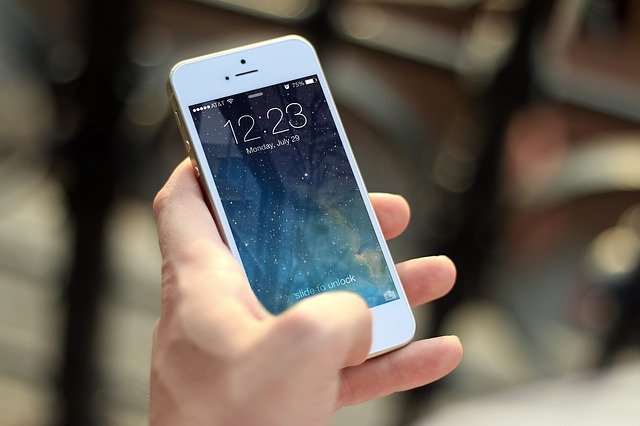
I don’t think anyone is surprised by the revelation that our phones are pretty fucking nasty. I mean…we touch our phones all day long and how many times a day do you REALLY wash your hands? And, be honest, how often do you disinfect your phone?
Even during a global pandemic, the answer is not enough. And our phones are seemingly within arm’s reach all day (and night) long, and we touch them all the time. And then we let them hang around on a dirty kitchen counter, a desk, a bathroom sink, or a purse full of who-knows-what.
Think about this, as well: even if we wash our hands regularly and thoroughly, our phones can cause frequent cross-contamination. For example, if you just washed your hands after going to the bathroom but left your phone on the counter, you’re just re-introducing all those potty germs as soon as you touch it. Same thing if you grab it off a kitchen countertop after washing up.
This is serious stuff–we’re all more concerned than ever before about keeping clean and blunting the spread of pathogens. What gets stuck to a phone and transmitted to your hands and face has real potential to cause infectious diseases and put certain groups of people at higher risk.
Thankfully, the answer is relatively simple: wipe down your phone as frequently as you are able. Personally, working in the hospital over the last few years has already put me in the habit of using a disinfectant wipe on my phone at the end of every work day. Given everything that’s going on right now, I do it twice–once mid-morning and once in the evening, and then most definitely right before and after I leave the house.
And yes, I am fully aware that disinfectant wipes are in short stock. An easy solution to that is to use a clean paper towel or wash cloth, and moisten it with either bleach, alcohol, or peroxide. In a pinch, a little hand sanitizer (again if you can find it) can work.
Hey everyone! How’s your quarantined existence going?? I don’t know about you…but I haven’t laid eyes on a bottle of hand sanitizer in months. I’ve never really been a hand sanitizer person, either, since I vastly prefer washing my hands with soap and water. I had a couple travel-sized Purells for my purse and desk but that’s it–and clearly those are long gone now.
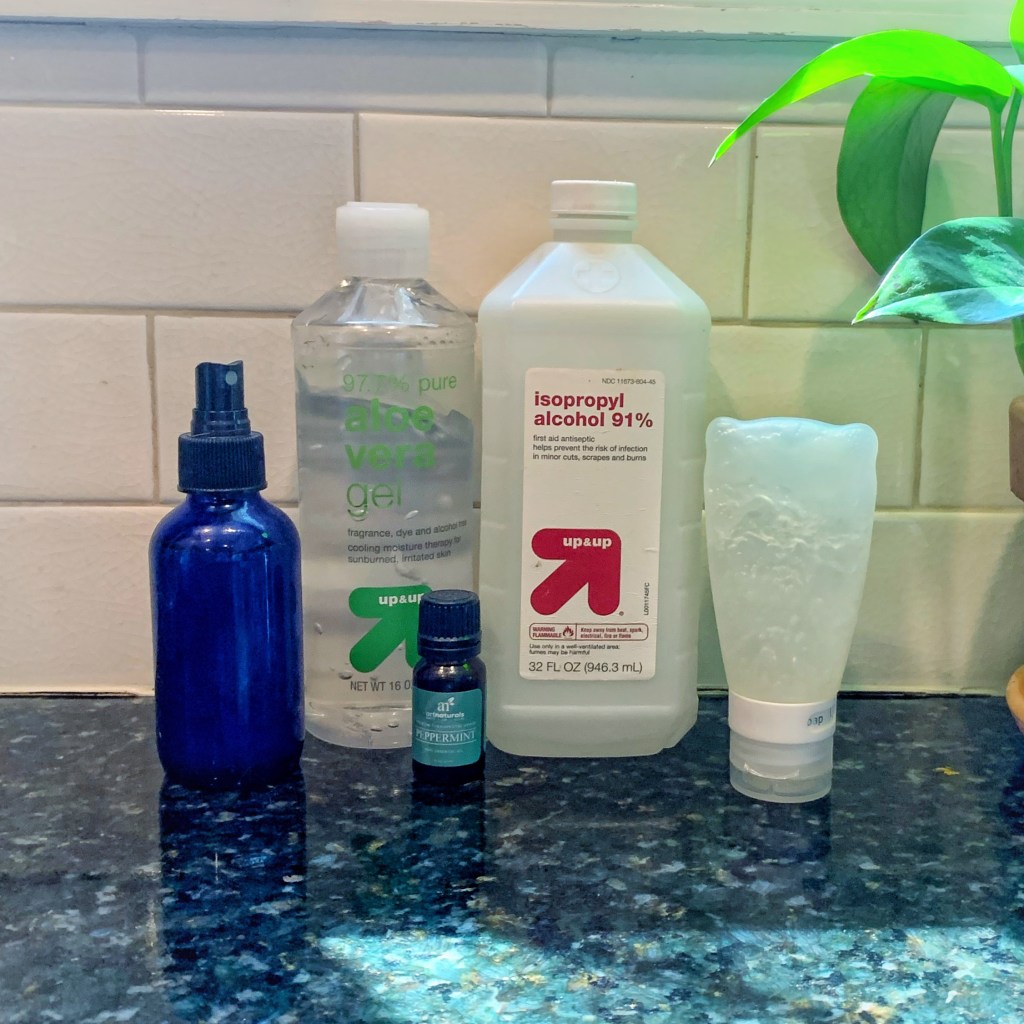
This “recipe” is super easy and uses a few things you already have at home. It’s also a great way to use up old bottles of aloe vera gel or even that quarter bottle of old body lotion you haven’t touched in years!
You have two options: a more liquidy version (equal parts alcohol and aloe/lotion) that does best in a spray bottle, and a more gel-like version (greater aloe:alcohol ratio) that is best in a squeeze bottle. Both are more than 60% alcohol and perfectly effective. I have made both and made use of some travel-size toiletry containers that–continuing with my theme of using up my old stuff–were left forgotten in my bathroom junk drawer.
For “liquid” version:
1 part isopropyl alcohol
1 part aloe vera gel or body lotion
Your favorite essential oil (optional)
For “gel” version:
1 part isopropyl alcohol
2 parts aloe vera gel or body lotion
Your favorite essential oil (optional)
Instructions:
Combine alcohol/peroxide and aloe in your container of choice
Add desired amount of essential oil–I found that 20-25 drops works really well for a 4 oz container
Use as needed to disinfect hands: apply sanitizer to the palm of your hands and massage vigorously to the rest of your hands, fingers, and wrists until dry
Whether or not you’re a super-health-conscious person under the best of conditions, keeping active and eating right may be more important now than ever. Yes, we should all be making these things a priority in general…but right now, it’s critical to keep healthy and well physically and emotionally.
For me, exercise is a non-negotiable part of my day (at least 5 or 6 days per week). As someone who has struggled with anxiety and depression for the better part of my life, I have found that keeping active makes a huge difference in my mental health (along with therapy and medication). I’m having a tough time right now, you guys. I won’t sugar-coat it and I want to be honest…being stuck at home with the world seemingly coming apart at the seams all around us, having Match and graduation festivities cancelled, and knowing that this pandemic will be such a defining part of my medical career is…a lot.
So. How can you keep well while you’re working from home and unable to socialize or go to a gym? These are some things that I’m doing right now to make sure my body is getting what it needs while also maintaining proper social distancing and doing my part to keep my community safe.
Get outside! You can (and should!) get out for a walk or a run if you can…just make sure you aren’t surrounded by people or huddling in groups. I happen to live on the W&OD trail outside of DC, and it’s a lifesaver right now because I can go hiking almost daily for an hour or two. My toddler can even come along with me in the stroller and we make occasional stops so he can play in the creek or run around. Spring is just around the corner, and even if nothing else seems to be going right, we have had some great weather. Enjoy it!
Strap on the Apple Watch (or any other activity tracker). I have a love-hate relationship with my Apple Watch (it’s a judgey little motherfucker…this is a conversation for another day). But since I’m stuck at home, I know that I have a really hard time maintaining a good baseline of physical activity. Setting up some reasonable goals to make sure I’m getting enough steps every day, standing for a few minutes every hour, and getting enough sleep has so far gone a long way to keeping me off my butt.
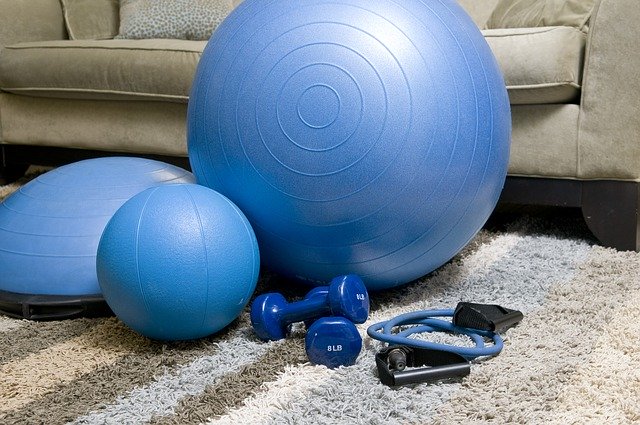
Take advantage of some deals on fitness apps. I’ve never been a huge fitness app or YouTube person, but…desperate times. There are tons of deals right now as companies offer discounts and free trials in response to COVID-19. I just downloaded the yoga app Down Dog and am actually pretty impressed with it. Here’s a list of other apps, channels, and in-home fitness options you can check out!
Keep busy inside. When I’m at school or working at the hospital, I’m up and about all day long. At home, not so much. Even if you’re seemingly tied to your Web Cam all day long, make sure you’re taking frequent breaks—even for a minute or two—to get up and walk around. I’ve been using breaks as a chance to take care of a lot of little chores that always seem to get away from me, like wiping down countertops, putting my kid’s toys away, and de-junking for a Goodwill run, etc.
Eat well. OK, I get it…the world is falling apart and it’s really hard to get excited about eating a salad. I completely agree—this is NOT a time to try and lose those last 5 or 10 pounds. However, this IS a time to make sure you’re getting your fruits and veggies, keeping the empty carbs and sugary stuff to a minimum, and drinking a ton of water. A healthy diet is imperative to keeping your immunity up and keeping you feeling your best.
Sleep! I know, I know…getting enough sleep is…hard. But just like eating well and exercising, keeping well rested is critical to keeping you physically and mentally healthy ESPECIALLY when the risk of infectious illness is high. If you’re working from home, take advantage of not having to commute! Sleep in a little bit. Let your kids sleep in a bit. Head to bed a little earlier. Steal a mid-day nap. Do what you have to do to steal a few extra minutes. Your body and mind will thank you forever.
I swear I never meant for this little blog to turn into the Coronavirus Channel. I sincerely just wanted to have an outlet to gab about things I like and some medical topics while finishing medical school and starting residency. But…here we are, under a national emergency with a global pandemic that has had an impact on every single one of us by now. We all have to do our part to keep our families and communities healthy and flatten the curve, but we have to take care of ourselves, too. I hope some of these ideas help, and please let me know what you’re doing to keep yourself healthy and sane!
Welp. COVID-19 is now a global pandemic and there are more and more cases being reported every single day. There are probably a ton more people with the virus given lack of test kits across the US, and in all likelihood, COVID-19 may be coming to your state, county, city, and even your home. This is just where we’re at.
I happen to live just outside Washington, DC and work in the District. I’m also a healthcare professional. Match Day has been canceled and graduation is still “up in the air.” Our local public schools are closed for part of next week so they can figure out a way to transition to virtual learning. At a meeting today, one of our deans told us that, as clinicians, we can expect to get sick. Good times.
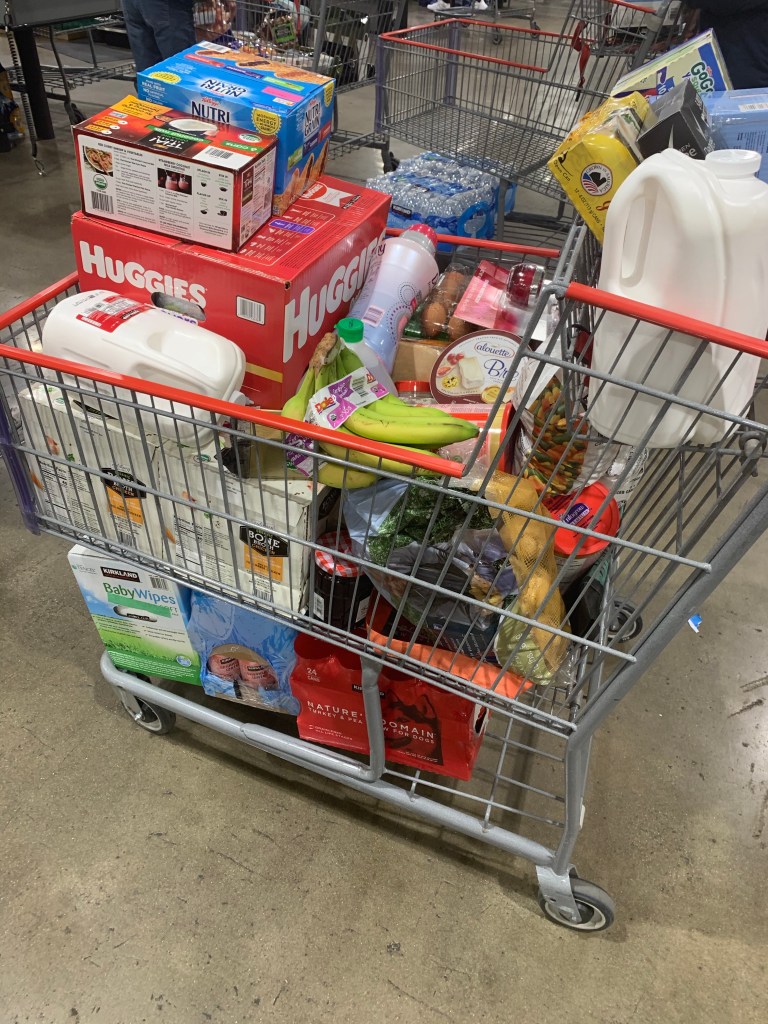
In a previous post, I mentioned that we would be picking up some extra things in case of quarantine or illness that kept us at home for a couple weeks. In case you were wondering, here’s a pretty exhaustive list of everything we bought. I split my shopping between Costco (the vast majority), Trader Joe’s, and my local Harris Teeter.
A word on quantities…all I’ll say is that we got as much as we felt like we needed for 2-4 weeks for 2 adults and a toddler. If you’re interested in stocking up for yourself, adjust as you see fit.
Food
Canned and Dry Goods
Beans (I got black and garbanzo)
Diced tomatoes
Coconut milk
Corn
Green beans
Condensed chicken soup
Canned soup (lentil and vegetable beef, in case you were wondering)
Oatmeal
Pasta (assorted types)
Canned tuna
Canned chicken
Canned salmon
Canned mushrooms
Rice
Whey protein
Mixed nuts
Freezer
Frozen veggies
Frozen fruit
Frozen meals (I got a few from Trader Joe’s, Costco, and Freshly)
Cauliflower gnocchi (seriously, I got like 15 packages)
Liquid eggs in a carton
Cheese (see notes)
Milk (see notes)
Fresh herbs
Bread
Bacon
Ground meat
Fresh foods (that keep a little while)
Potatoes
Onions
Eggs
Minced garlic (the kind in a big-ass jar from Costco)
And there you have it! I spent the better part of a day over the weekend de-junking the house and making room for all of this stuff, but in the event that one or all of us is cooped up at home, we’re good to go. Obviously, it’s a lot, but there’s nothing listed here that we don’t buy on the regular already, so it WILL get used up eventually…if we never end up having to stay home for a long period of time, I comfort myself knowing I won’t have to buy much at all for weeks or even months!
Freezing milk: Milk can be frozen for a few months. When you buy a gallon of milk, you can open it, empty a small amount, then re-seal and freeze for up to a few months.
Freezing cheese: Many cheeses can be wrapped tightly and frozen for 4-6 months (I happened to buy vacuum sealed blocks from Costco, so I just tossed them all in the freezer).
**A note on medical supplies: COVID-19 is a viral illness, meaning that treatment is only symptommatic (antibiotics are useless for viruses and there are no targeted treatments). The vast majority of cases are mild enough to be managed at home, so you ought to stock up on anything you would use for treating colds and flu. I find that most people have personal preferences when it comes to favorite cold/flu meds, so these are simply my favorites. Feel free to personalize this list.
ALSO! You may notice that there are some items that treat symptoms NOT associated with COVID-19, like runny nose and congestion, upset stomach, or diarrhea. Keep in mind that it is still a time of year when people are susceptible to plain old colds and flu…I keep these in handy just in case I dodge COVID-19 but still manage to come down with a cold while on quarantine.
Even though I am not here to give you my personal opinion on the necessity of these measures and their potential to cause panic, this is a big deal. This thing is affecting the stock market and disrupting travel all over the world. What I am here to do is to try my best to let you know what all of this craziness may mean for you in your community and how you can prepare and hopefully spare yourself needless headache, especially since most of us have no clue what pandemic preparedness even means.
OK, cool. So what does that even mean?
First, please don’t panic. No one is saying that they’re expecting massive numbers of people to get sick and die. What they ARE saying is that, yes, the disease is spreading and that we can probably expect state and local governments to take preventive measures to minimize the number of people who will get sick.
What this means is that we can possibly expect some school closures, event cancellations, and employers to encourage workers to work remotely if possible. It wouldn’t be surprising if there were periods of voluntary quarantine for those who are at higher risk (meaning certain people may elect to stay home for a week or two and avoid public places). There may even be cases of the virus near you in your community.
What this does NOT mean is total anarchy. We’ll still have power, water, and (thank God) internet. Grocery stores, most retail, gas stations, roads, and most other services will still be open. Healthcare facilities will most definitely be open. Remember that, even during the Spanish flu epidemic in the early 1900’s—one of the deadliest epidemics in modern history—life still went on as usual in most places. Most closures and cancellations will likely be preventive in nature, not responsive, meaning they will be designed to prevent spread of Coronavirus rather than because there are a lot of cases where you are.
Regardless, disruption to life is just that—a disruption. What in the world should you do to prepare?
First, though details may still be few and far between, find out what potential changes can be expected in your community and what resources may be available. These are things like school and government service closures, interruptions to public transit, changes in trash collection and waste removal, etc. These details will probably be in flux for now as local and state authorities scramble to flesh out their response policies and procedures, so check in frequently so you aren’t caught off guard.
Next, if you’re able to work from home, talk to your boss and see if you can do that. If you aren’t set up to work effectively and efficiently at home, do what you need to do to make that happen (create a home office space, update VPN software, identify tasks that can and cannot be done easily out of the office). If your job can’t easily be done remotely, touch base with your organization and see if they anticipate any closures or temporary reductions in workforce, as well as whether or not you’d be paid for any time off or forced to take sick or vacation days.
Next, figure out what you’d need in the event of quarantine. For planning purposes, think about what kinds of supplies and food you and your family need for about 2 weeks at home and stock up. Don’t go full Doomsday Prepper, here…stock up on all the things you’d normally need anyway so that nothing ends up going to waste. Think toilet paper, paper towels, cleaning products, toiletries, laundry detergent, etc. Stock up on some non-perishable and canned food as well to make sure you have enough.
When it comes to food, the same is true–grab things you know that you’d probably end up using anyway to avoid wasting anything you don’t end up needing. For example, at our house we always have a nice big pantry full of canned beans, veggies, meat like chicken and tuna, rice, crackers, peanut butter, cereal, coconut milk, condiments, protein powder, etc. This weekend, we will probably make a Costco run and buy extra of all these things. Keep in mind that water will stay on, but a case or two of bottled water (and, in our case, grapefruit-flavored La Croix) is never a bad idea. Also. very important here—if I’m going to be stuck in the house with my husband and toddler for 2 weeks without physical contact with the outside world, I’m going to need wine. Plenty of wine.
Next, do stock up on basic medical supplies in case, god forbid, someone in your home does get sick. Coronavirus is, well, a virus…at this point there is no “cure” or vaccine, just like colds and flu, the treatment is purely supportive. At this point, every single case is sent to an isolated medical ward or quarantine location, but if the virus really does become widespread, it’s very possible that most people will be able to remain at home under self-imposed quarantine.
Remember that the majority of COVID-19 cases are essentially a mild to moderately-severe respiratory illness, just like the flu or viral bronchitis. Make sure you have medications like ibuprofen (Motrin or Advil) and acetaminophen (Tylenol) for fever and body aches. Cough syrup or other cough suppressants (anything containing guaifenesin, for example) are very helpful for coughing, while decongestants (I recommend nasal sprays like Flonase or anything containing pseudoephedrine) are also helpful. Pedialyte or Gatorade can be great to keep you hydrated if you’re nauseous or lose your appetite.
Another thing—face masks. At the moment, there’s probably no need to be wearing a face mask around unless you’re sick yourself or you’re around folks who are known to be sick with a respiratory illness. However, I’ve heard a couple sort of convincing arguments that it’s not a terrible idea to stock up on masks in case they DO become necessary, so here we are. Surgical masks are NOT sufficient to prevent pollutants or respiratory droplets from being inhaled, but they are probably better than nothing. If you’re really looking for a no-shit, foolproof mask that will protect you from respiratory illness and probably do you double duty in the event of a fire or chemical attack, disposable N95 or P100 masks are your friend.
Finally—for the love of all that is Holy—start taking steps NOW to prevent spread of infection by washing your hands and disinfecting high risk areas of your home. Keep hand sanitizer with you for times when there isn’t soap and water available. Wipe down surfaces and pay special attention to anything your kids touch or put in their mouths. Take your shoes off when you walk in the door. Wash your sheets and towels often. Wipe down your phone, laptop, steering wheel, and doorknobs daily. These are probably all things we should be doing anyway (no judgement here), but right now it’s very possible that they could make a huge difference.
For additional resources and information as this viral fiasco unfolds, the following sites and organizations will have the most accurate and up to date information:

 mydoctormom.com